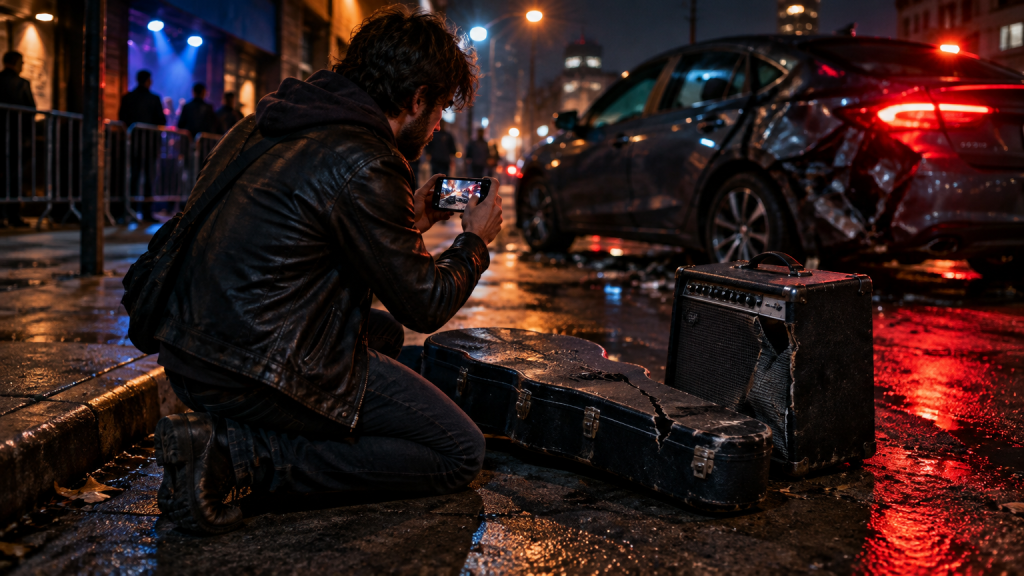
The last chord fades. Your ears are still ringing. Your gear is packed, and your ride is two minutes away. For many gigging musicians, a rideshare is the easiest way home. It saves money and avoids parking stress. But what if that ride ends in a crash? Most safety advice skips one big thing: your gear. Your guitar, keyboard, or drum kit may be how you earn a living. So this guide covers both sides. You will learn how to protect your body and your equipment. Let’s get started.
Why Late-Night Rides Feel Risky After a Show
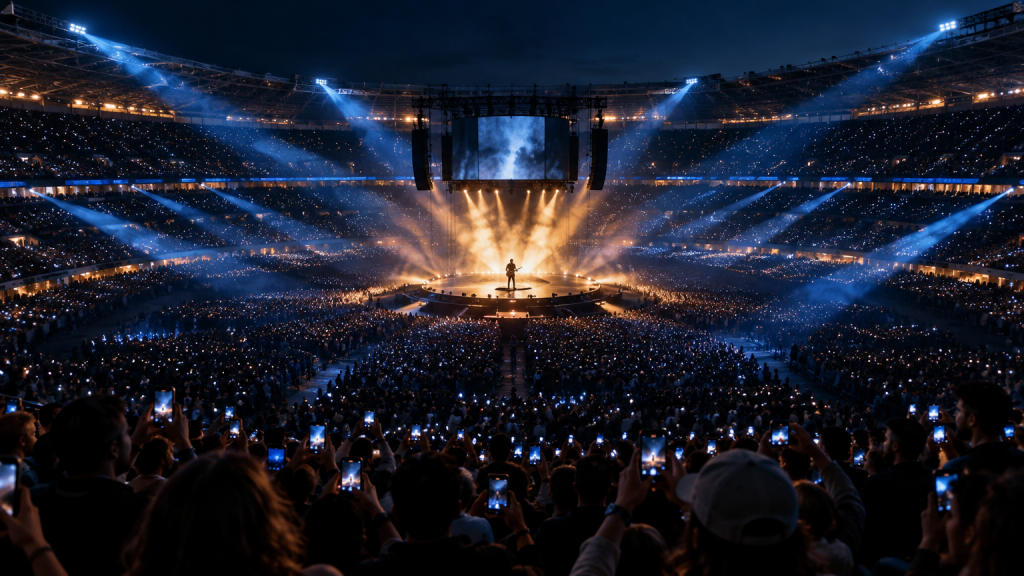
Gigs end late. Everyone is tired, including the driver. You may also be hauling heavy cases and standing on a dark curb. That mix can make a late ride feel rushed. Accidents are rare, but they do happen. Nobody plans for them. Long waits add to the stress. After a Noah Kahan stadium show in 2026, local news reported that many fans waited hours for rides. Some walked home on dark roads. Tired people often take the first car that shows up.
A rideshare crash can also feel confusing. There may be several drivers, an app company, and insurance to sort out. If you get hurt, talking with Uber accident lawyers, Chopin Law can help you understand your options. You do not have to figure it all out alone.
First Steps at the Scene
Safety comes first. Move to a safe spot if you can. Call emergency services if anyone is hurt. Then check yourself. Hands and wrists matter most to a player, so notice any pain or numbness.
Get checked by a doctor, even if you feel fine. Adrenaline can hide pain for hours. Some injuries show up a day or two later. A medical record also creates a clear timeline of what happened.
Save Proof Before You Forget
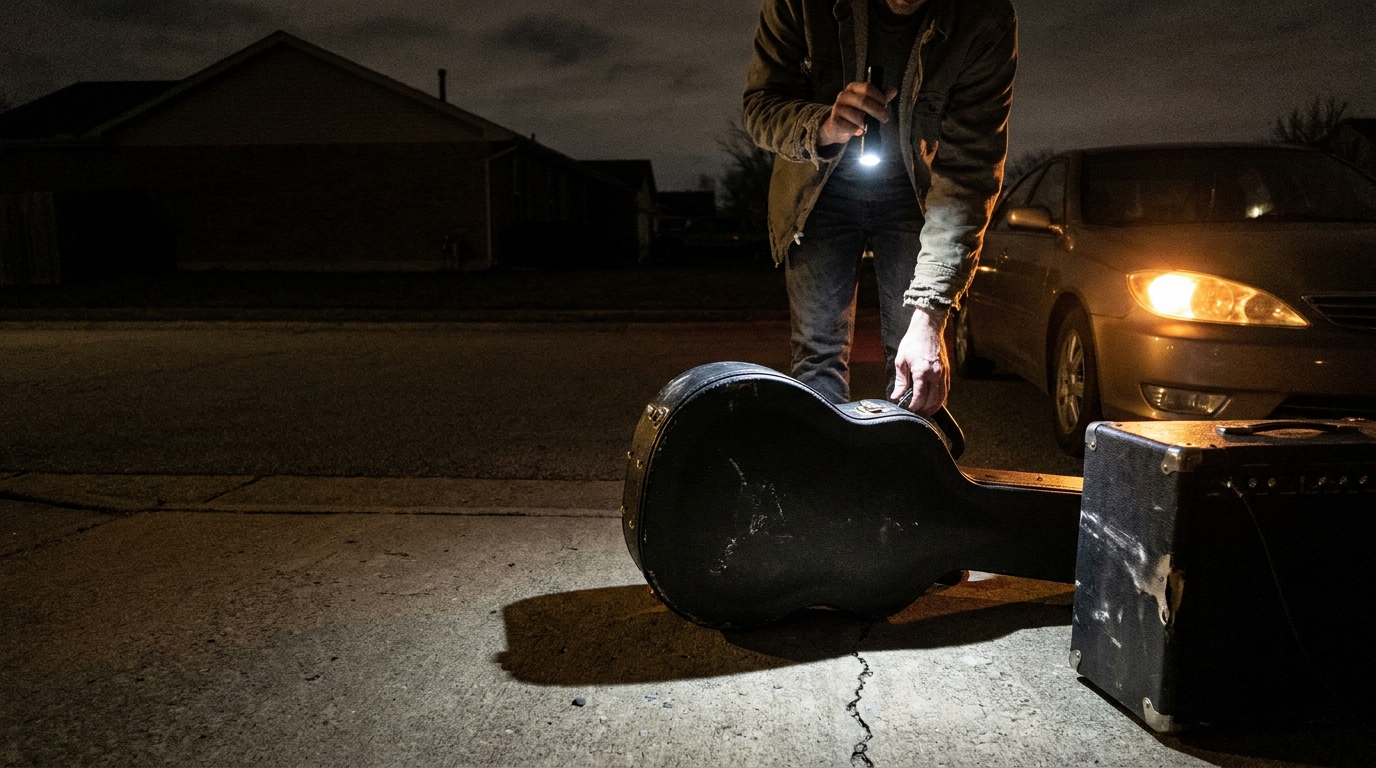
Use your phone right away. Take photos of the cars, the road, and any damage. Snap the license plates. Ask the driver for their name and insurance details. Screenshot your trip screen in the app. Also write down witness names and numbers. If police arrive, ask for a report number. Do this now, because memories fade fast after a stressful night.
Next, photograph your gear. Show the cases, the instrument, and any cracks or dents. Save receipts and serial numbers if you have them. Do not repair or toss anything yet. Damaged items are proof of what you lost. Then report the crash inside the app. Rideshare apps usually have a help section for this.
Protect Your Gear and Your Paycheck
For musicians, an injury hits twice. You may hurt, and you may miss paid shows. Sadly, self-employed musicians usually have no sick pay. That is why a financial safety net matters. Keep a record of every gig you miss. Save booking emails, contracts, and messages with venues. These show what income you lost.
Also check whether your gear is insured. If it is, ask whether it is covered during travel. Policies differ, so read the fine print. Finally, avoid posting crash details online. Posts can be misread later. Keep updates private until you know your next steps.
What to Say, and What to Skip
Stay calm and stick to facts. Describe what you saw and felt. Do not guess about speed or blame. Do not say “I’m fine” if you are not sure. Also avoid admitting fault, even to be polite. Stress can make small words sound big later.
Be careful with early offers, too. A quick payment may not cover future bills. Wait until you know the full picture, including medical costs and repairs.
Check Your Gear Like a Tech
Cases can hide damage. A guitar neck may bend slightly. A keyboard may lose a key or a port. Amps can have loose tubes or cracked boards. So open every case and look closely. Then take items to a repair tech. Ask for a written estimate. That paper trail shows what the crash cost you.
Plan a Safer Ride Home Next Time
You cannot stop every crash. Still, small habits help. Book your ride before the last song, not after. Waiting in a crowd makes people jump into the first car. Check the plate and driver name before you get in. Ride with a bandmate when you can.
Festival safety advice also offers a simple trick. Plan your ride ahead and set a check-in time with whoever is driving or picking you up. That way, someone notices if you do not arrive. Share your location too. A quick text after you get home takes five seconds.
Final Thoughts
A great show should end with a safe trip home. If a crash happens, stay calm. Get medical care, collect proof, and protect your gear records. Then get advice before making big decisions. You deserve a fair outcome, and clear records make that much easier. Your music is your living. Treat your health and your gear that way. Pack your cases, plan your ride, and keep the encore for the stage.