A mechanical watch is rarely just a style choice. It’s a combination of design, engineering, and an ongoing maintenance relationship that can last for decades. Shoppers browsing categories such as Rolex watches often fixate on brand recognition, but the same evaluation principles apply no matter the manufacturer or price point: specifications, authenticity, condition, seller reliability, and long-term care all carry more weight than a name on the dial. This guide walks through what to look for before buying and how to maintain a mechanical watch responsibly once it’s on your wrist.
Understand the Main Watch Categories
Mechanical, Automatic, and Quartz Movements
A mechanical movement stores energy in a wound mainspring, releasing it gradually to drive the gear train and escapement. An automatic (self-winding) watch uses a rotor that winds the mainspring through the natural motion of your wrist, while a manual mechanical watch needs to be wound by hand. Quartz watches, by contrast, run on a battery-powered oscillator and generally demand less upkeep. None of these categories is inherently better than the others—each simply suits different habits and maintenance expectations.
How Movement Specifications Affect Ownership
Terms like power reserve (how long a watch keeps running once fully wound), frequency (how fast the balance wheel oscillates), accuracy, water resistance, and complications (extra functions such as a date window or chronograph) all shape the day-to-day experience of owning a watch. More complications often mean more parts that eventually need servicing, so reliability and realistic use should matter more than an impressive spec sheet.
Evaluate Construction and Wearability
Case, Crystal, and Bracelet Materials
Stainless steel, titanium, precious metals, and ceramic each bring their own weight, durability, and upkeep considerations to the table. Sapphire crystal holds up well against scratches but can chip under a sharp impact, while mineral and acrylic crystals scratch more easily yet may absorb shock a bit differently. When it comes to bracelets and straps, comfort, durability, and how well they suit your climate should guide the choice.
Size and Ergonomics
Case diameter, thickness, and lug-to-lug distance all play a role in how a watch actually sits on the wrist. A dress watch meant to slide under a shirt cuff, an everyday piece worn at a desk, and a sports watch built for outdoor activity each call for different proportions. Trying on comparable models in person tends to tell you far more than scanning a spec sheet ever could.
Water Resistance in Real-World Use
Water resistance is a maintenance feature, not a permanent guarantee. A water resistance rating comes from controlled testing conditions—it’s not the same thing as a recommended diving depth. Screw-down crowns, gaskets, and periodic pressure testing all factor into real-world protection, and a watch with an uncertain service history shouldn’t go anywhere near water until that’s been checked.
Assess Authenticity, Condition, and Documentation
What to Check Before Buying
Compare the reference number, serial details, movement, dial, hands, and case against trustworthy manufacturer documentation. Pay close attention to typography, finishing, alignment, and how the components fit together. Photos and paperwork can support your judgment, but they don’t prove authenticity on their own.
Why Condition Matters
Normal wear looks very different from improper polishing, corrosion, moisture intrusion, or parts that have been swapped out without authorization. Service history also affects what you’ll pay down the road, which is why an independent inspection by a qualified watchmaker is worth the cost for any high-value purchase.
Documentation and Provenance
Receipts, service records, and original accessories add useful context, but they need to match the specific watch in question—not just the model. Authenticity can’t be confirmed from photographs alone, and any claims about rarity or investment potential deserve verifiable evidence rather than taking the seller’s word for it.
Choose a Seller and Purchase Process Carefully
Seller Due Diligence
Look into the seller’s business identity, return policy, warranty terms, and inspection practices before handing over any money. Listings that disclose condition and service history openly are far more trustworthy than vague or inconsistent ones. If a price seems too good to be true, or you’re feeling pressured to act fast, treat that as a red flag.
Before You Buy — Quick Checklist
- Has the watch been opened, polished, modified, or repaired?
- When was it last serviced?
- Is the movement original to the watch?
- What happens if an independent inspection turns up a problem?
- Are taxes, shipping, insurance, and return costs spelled out clearly?
Payment and Return Protections
Stick to payment methods that offer dispute or fraud protection, keep a record of the listing and any correspondence, and inspect the watch as soon as it arrives—ideally well before the return window closes.
Build a Realistic Ownership and Maintenance Plan
Routine Care
Clean the watch according to the manufacturer’s instructions, and remember that leather straps need different treatment than metal bracelets. Make sure the crown is fully secured before any water exposure, and steer clear of magnets, hard knocks, harsh chemicals, and opening the case unnecessarily.
Professional Servicing
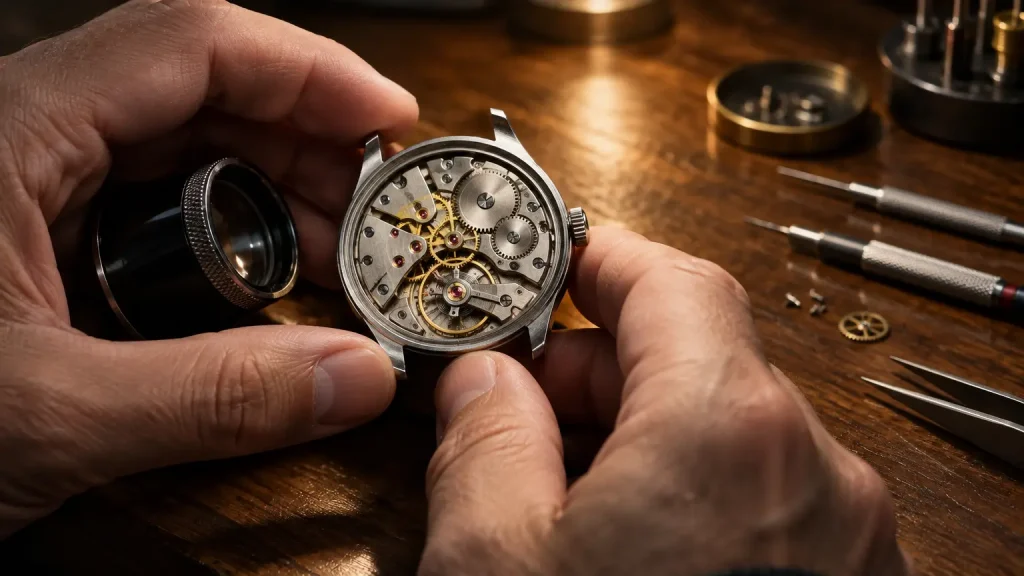
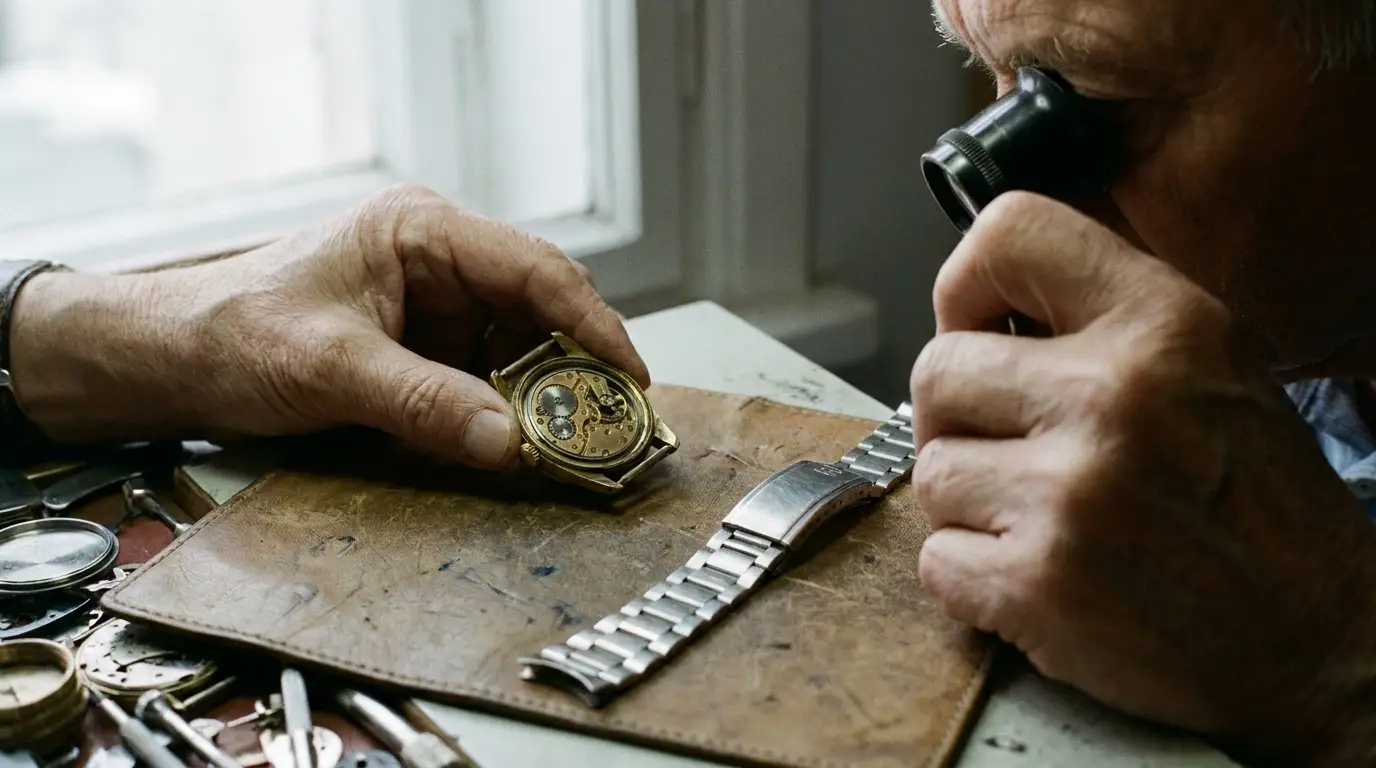
How often a watch needs servicing depends on the model, its age, how it’s used, and the environment it’s worn in. A professional service typically covers disassembly, cleaning, lubrication, replacing worn parts, and testing water resistance. Chronometer certification speaks to tested timekeeping accuracy—it doesn’t exempt a watch from ongoing maintenance. Whoever you choose to service the watch, make sure it’s an authorized or reputable independent provider with documented procedures.
Budgeting for Ownership
Set aside a budget for servicing, strap replacement, pressure testing, insurance, and the occasional repair. Hang on to your service records, and always ask for a written estimate before authorizing any significant work.
Common Mistakes to Avoid
- Buying solely on brand reputation or resale claims
- Confusing water resistance with waterproofing
- Assuming included papers are automatically genuine
- Ignoring the seller’s return policy
- Overlooking damage, moisture, or excessive polishing
- Attempting DIY repairs without proper tools
- Treating online price comparisons as definitive appraisals
Decision Framework
- Define the watch’s intended use
- Select an appropriate movement and case design
- Verify dimensions and comfort
- Research service requirements and costs
- Assess authenticity, condition, and documentation
- Review seller protections and return terms
- Arrange professional inspection when appropriate
Making a Watch Purchase With Confidence
A sound purchase balances fit, function, authenticity, seller transparency, and future upkeep. Technical knowledge certainly helps, but a professional inspection still carries real value for expensive or pre-owned pieces. The best watch is one that suits the owner’s daily use and maintenance budget—not simply one that looks impressive the moment it leaves the store.