An estimated 1.7 billion photos and videos are shared on Instagram every day, creating an endless stream of visual noise that every brand must cut through for a fraction of a second. For event planners, marketing directors, and business owners, that daily flood changes how live gatherings are documented and perceived online. A room full of guests holding flagship smartphones might look like free coverage on the surface, yet relying on casual phone snapshots often leaves a brand looking unpolished when those images hit LinkedIn, Instagram, or press releases.
Social feeds have quietly raised the baseline for what audiences consider credible. People scroll past studio-lit campaigns and high-production video every morning before they even finish their coffee. When an organization posts dim, blurry, or poorly framed phone photos from a major conference or product launch, the contrast is immediate and noticeable. Professional photography bridges the gap between how an event actually felt in the room and how it looks to the thousands of people watching from afar.
The Smartphone Illusion and Visual Fatigue
Modern phone cameras are remarkable pieces of engineering, especially in bright outdoor sunlight. Put those same sensors inside a dimly lit ballroom, a trade show floor with mixed fluorescent overhead lighting, or a keynote stage bathed in harsh blue LEDs, and their physical limitations show up fast. Small sensors struggle in low light, creating muddy shadows, blown-out stage screens, and motion blur whenever a speaker gestures or guests laugh.
Audiences rarely stop to analyze white balance or shutter speed, yet they instinctively judge brand authority by visual quality. Because guests scroll polished imagery daily, grainy snapshots from the back row can unintentionally make a well-funded corporate gathering look improvised. High-end visual execution signals that an organization cares about details, respects its speakers, and delivers an experience worth attending next time.
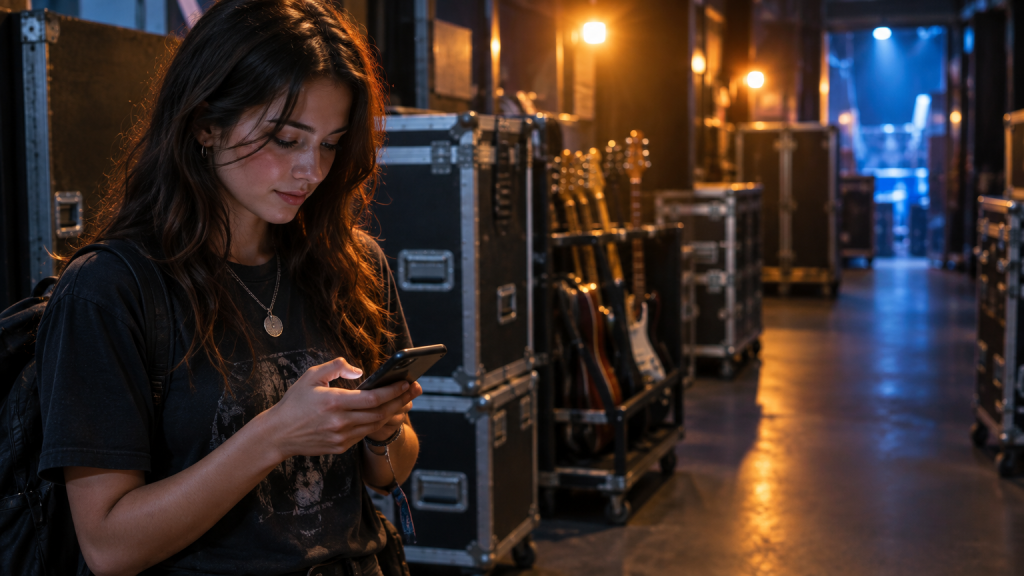
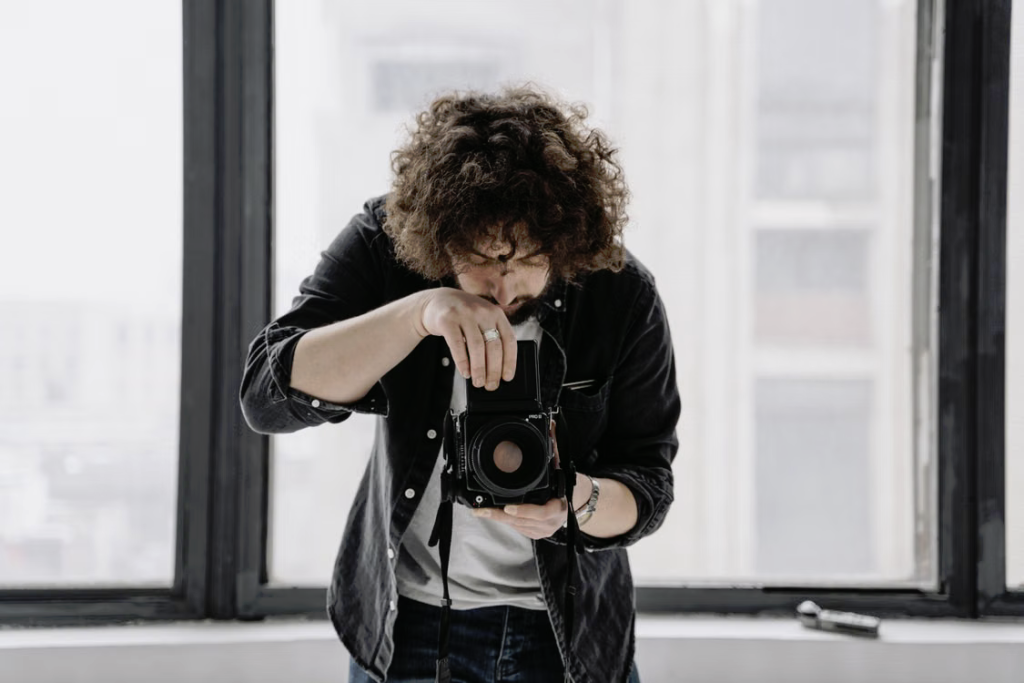
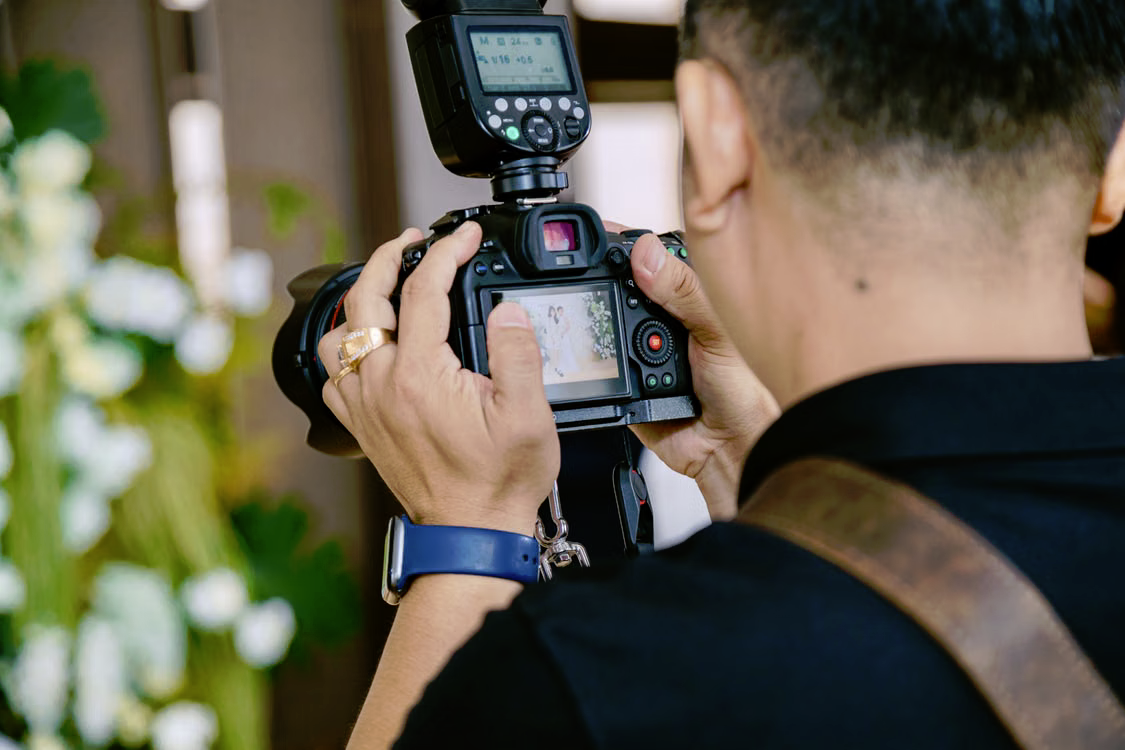
Beyond technical clarity, there is a massive difference between someone snapping a quick picture between bites of lunch and a dedicated specialist tracking the room. A working photographer anticipates emotional peaks, positions themselves for clean backgrounds without exit signs or stray water bottles, and captures the candid interactions that tell a cohesive story.
Real Time Distribution and Brand Credibility
Social media moves at the speed of the live moment, which means waiting two weeks for a folder of edited images no longer works for modern marketing teams. Today, real-time camera-to-cloud sharing allows photographers to send color-graded, high-resolution files directly to social media managers within minutes of a keynote ending. That immediate turnaround lets brands capitalize on peak event hashtags while attendees, sponsors, and industry journalists are actively checking their feeds.
Planning a high-stakes corporate summit or gala in a major hospitality hub requires vendors who understand tight production schedules and complex venue lighting. Working with an experienced team for event photography Las Vegas helps ensure that sponsor signage, executive portraits, and crowd energy are captured cleanly under demanding ballroom conditions. When those assets are delivered quickly, your internal team can publish recap carousels, thank-you posts for VIP speakers, and sponsor deliverables before guests even board their flights home.
Consider the key ways dedicated event coverage outperforms crowd-sourced attendee photos across digital channels:
- Consistent color grading and lighting keep your brand identity unified across LinkedIn announcements, Instagram Stories, and website banners
- Intentional framing leaves clean negative space for marketing teams to overlay text, speaker quotes, or registration dates
- Dedicated release-ready galleries give sponsors and keynote guests flattering, high-resolution images they are genuinely excited to repost on their own profiles
Extending Event ROI Long After the Lights Come Up
Live events represent one of the largest line items in a marketing budget, yet measuring their long-term return remains a persistent challenge for organizers. Recent industry research from Bizzabo shows that 40% of organizers struggle to prove ROI once the doors close and the booth is packed away. Strong visual documentation turns a single-day gathering into a multi-month content engine that continues generating value long after the venue clears out.
A single well-photographed conference produces dozens of usable assets for email newsletters, sales decks, recruiting pages, and next year’s ticket campaigns. Prospective attendees want proof that your event attracts engaged peers and energetic conversations rather than empty chairs. Authentic, well-lit photos of packed breakout rooms and genuine networking moments provide social proof that stock photography or AI-generated graphics simply cannot replicate.
In an era where automated text and synthetic visuals fill social feeds, verifiable human connection carries real weight. Real photos of real people engaging with your brand build trust with prospects, partners, and future sponsors who want to see tangible community impact before committing their time or budget. And since tech has made event planning itself much easier, you can afford to invest in things that really matter, like professional photography.
Next Steps for Planning Your Event Coverage
Treating photography as a core part of your social media and communications strategy rather than an afterthought changes what you walk away with when the event ends. Creating a brief shot list ahead of time that highlights key sponsors, executive interactions, and vertical framing needs for social platforms helps your photographer deliver assets ready for immediate publishing. For more on event planning and operational optimizations, check out our other posts.